📊 Feasibility Analysis
Feasibility analysis is the process of evaluating a business idea to determine whether it is practical and likely to succeed.
The primary objective of Feasibility Study is to uncover strength and weakness of a business idea.
🧩 The four main areas of feasibility analysis are:
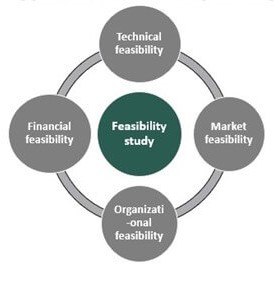
🌐 Industry/target market feasibility:
📌 This looks at whether the industry and target market are growing, if there is demand for the product/service, and how the market can be penetrated effectively.
📦 Product/service feasibility:
📌 This assesses whether the product or service meets customer needs, is technically feasible, and offers a competitive advantage in the market.
💰 Financial feasibility:
📌 This evaluates the financial aspects of the business, including initial costs, funding requirements, and the potential for profitability.
📌 It helps determine if the business can sustain itself financially and grow.
🏢 Organizational feasibility:
📌 This assesses whether the business has the right structure, resources, and capabilities to operate successfully.
📌 It includes evaluating the management team, operational processes, and infrastructure needs.