Resource-Based Theory for Competitive Advantage: Robert M. Grant: 1991
I. Introduction
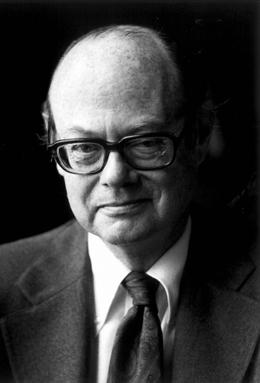
- The Resource-Based Theory for Competitive Advantage was proposed by Robert M. Grant in 1991.
- Also known as Resource-based Approach / Resource based view / RBV
- It is a strategic framework that emphasizes the internal resources are more important for a firm than external forces for competitive advantage.
II. Resource-Based Theory Approach
Robert outlined a logical, sequential process that starts from identifying internal resources and ends with addressing gaps after strategy selection.
A. Identify and classify the firm’s resources in terms of strengths and weaknesses → This is the starting point, focusing on what the firm owns or controls.
B. Combine the firm’s strengths into specific capabilities → Resources are integrated to form organizational capabilities.
C. Appraise the profit potential of these capabilities in terms of their potential for sustainable competitive advantage → Capabilities are evaluated using criteria like durability, imitability, and appropriability.
D. Select the strategy that best exploits the firm’s capabilities relative to external opportunities → Strategy is chosen by aligning internal strengths with external environment.
E. Identify resource gaps and invest in upgrading weaknesses → Finally, the firm addresses deficiencies to support the chosen strategy.